


When I claimed my Domme identity, something inside of me shifted. It changed me in ways that extended far beyond anything that happened in private, and influenced how I started showing up in the world, how I spoke, and how comfortable I was setting and abiding my boundaries.
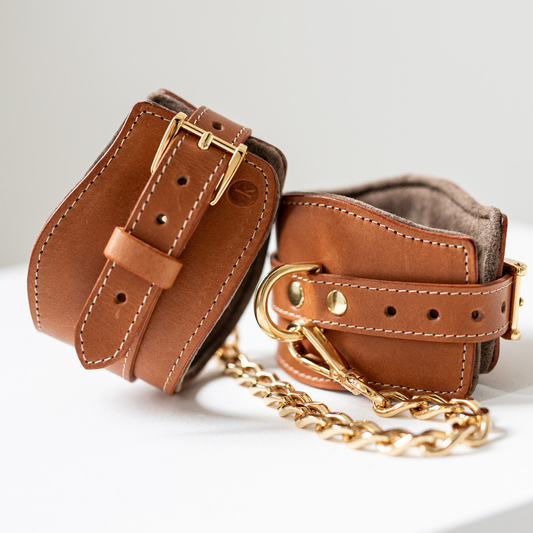
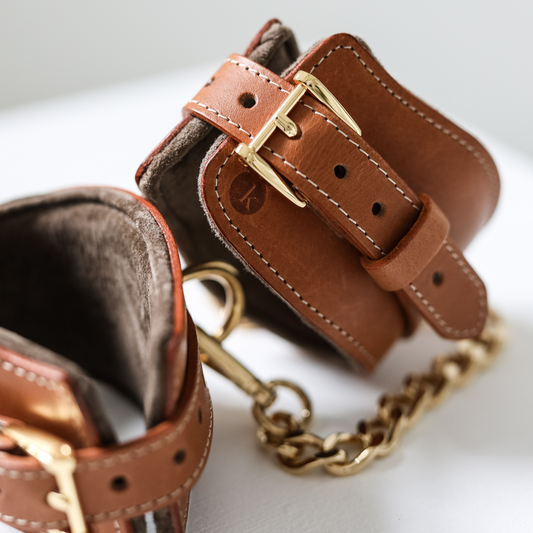
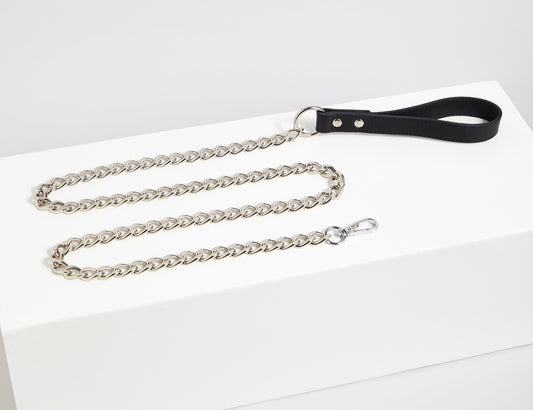
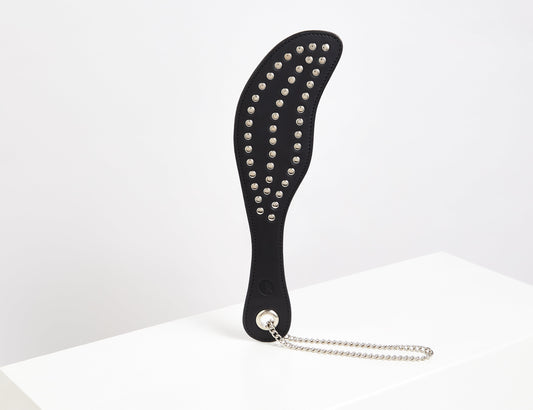
Then I started building Kilter, and started to build an online community. I created endless videos talking about BDSM, my journey and the gap I saw in the market for luxury BDSM products that felt like they’d belong in Selfridges.
It thickened my skin in a way I hadn’t expected. I felt more ‘me’ than I ever had done.
When I became pregnant, there was one thing I was determined about - that I wouldn’t lose this part of myself. I didn’t want my identity to collapse into motherhood.For a while, it felt like I had succeeded in that.
In the first three months postpartum, I still felt like myself. My thoughts hadn’t changed, the way I spoke hadn’t changed, and I still felt connected to that part of my identity, at least on the surface.
What I didn’t realise at the time, was the shift doesn’t always occur in an obvious or immediately noticeable way. What was actually happening, was that I was slowly drifting without fully recognising it.
It was a subtle change and largely driven by circumstance rather than intention. My day-to-day was a constant juggling act between caregiving responsibilities, household chores alongside the constant hum of pressure from my business - and trying to keep it alive in any pocket of time I could find.
I was operating with very limited capacity, and even less mental space, which meant that anything not essential naturally started to fall away. I went onto social media, and I felt disconnected from the creators and content I used to consume. I wasn’t active on the scene, attending events, participating in anything privately - and I found myself in limbo.
The distance between who I was and how I was living began to grow.
It started to feel increasingly inauthentic to show up online and talk about dominance when I wasn’t actively engaging in anything that reflected it.
Logically, I understood that identity doesn’t disappear simply because you are not practising it, but that didn’t change how real the disconnect felt or how difficult it was to reconcile.
This wasn’t about a lack of desire. If anything, the desire to return was still there, but desire doesn’t solve logistics. As a solo parent, everything came with an additional layer of complexity, from childcare that I didn’t have the capacity to arrange to the simple reality that asking for help felt like another task on a list that was already too long. Attending events, particularly those that ran late into the night, felt quite unrealistic.
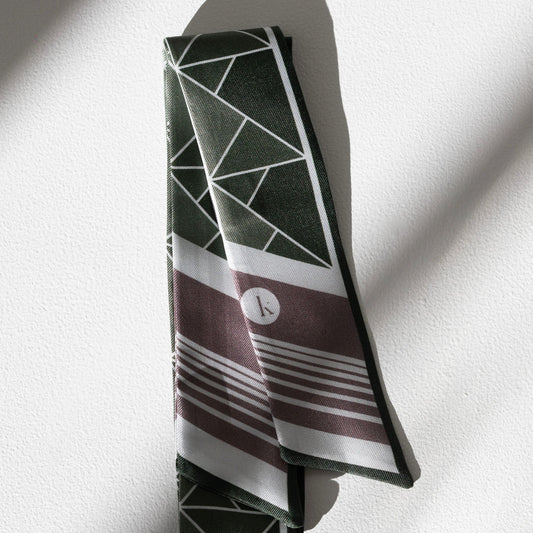
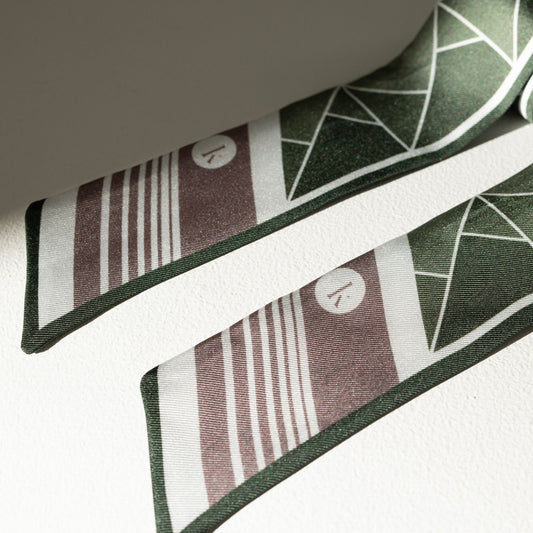
Over time, that distance began to influence how I saw myself, and that is largely where the idea for Subtle Bond came from.
It was a way of maintaining a connection to something I felt I was drifting away from, offering a more subtle and integrated expression of identity that didn’t rely on overt visual signals. It allowed me to acknowledge that part of myself without needing to fully step back into the scene immediately.
Then when I relocated back to Yorkshire to access more support, preparing to go self-employed and bring Kilter back to life - I found myself slowly coming back to where I once was.
With more help around me, easier access to events and a little more space to think - that part of me re-emerged. My child was less dependent and I found ways to tap into my identity that fit into my life.
I have no immediate desire, or capacity, to pursue another long-term dynamic - so instead I started looking for munches that took place in the day, or events that didn’t run until the early hours of the morning.
I found options that allowed me to participate without creating additional logistical pressure.
At the same time, I began creating content again, working with other creators, and rebuilding connections that had fallen away. I wasn’t stepping back into exactly who I was before, but I sought a version of that identity that aligned with how my life now looked.
The reality is that identity doesn’t disappear if you aren’t actively embodying it day-to-day, but it does need space to exist somewhere. You don’t need to step back into exactly how you once were, but find what fits you right now.
Regardless of how you identify, or whether you’ve taken a break for maternity, or life circumstances, it’s worth recognising that there isn’t a single way back in. It doesn’t have to start with a party, a scene, or anything that feels like a big re-entry point. It can be much smaller than that.
It might look like reconnecting with the community in a way that feels manageable, whether that is attending a daytime munch, or simply being around people who reflect that part of you back.
Try revisiting what actually drew you to it in the first place. Preferences shift and allowing space for them to evolve without forcing anything that no longer feels natural makes the re-entry less jarring.
Perhaps try bringing elements of it back into your everyday life. It doesn’t need to be something separate that only exists in certain environments.
Reclaiming any part of your identity after a period of absence extends beyond a single moment. It is a series of small decisions that gradually bring you closer to yourself again.